Guide
A Door Chime for a Relative Who Wanders
A chime is a small tool for one moment: the door has just opened and you are in another room.
This guide is general information, not medical advice. Decisions about a person's care belong with their doctor.
How common is wandering?
Common: about 6 in 10 people living with dementia wander at least once. The Alzheimer's Association puts it this way:
Six in 10 people living with dementia will wander at least once; many do so repeatedly.
It can happen at any stage, and it can happen at home with family in the next room. Planning for it is not alarmism.
What do the experts suggest for doors?
A bell or a device that signals when a door opens, which is the job of a Capsule Door Open Chime. Among its steps for a safer home, the same page lists this one:
Install warning bells above doors or use a monitoring device that signals when a door is opened.
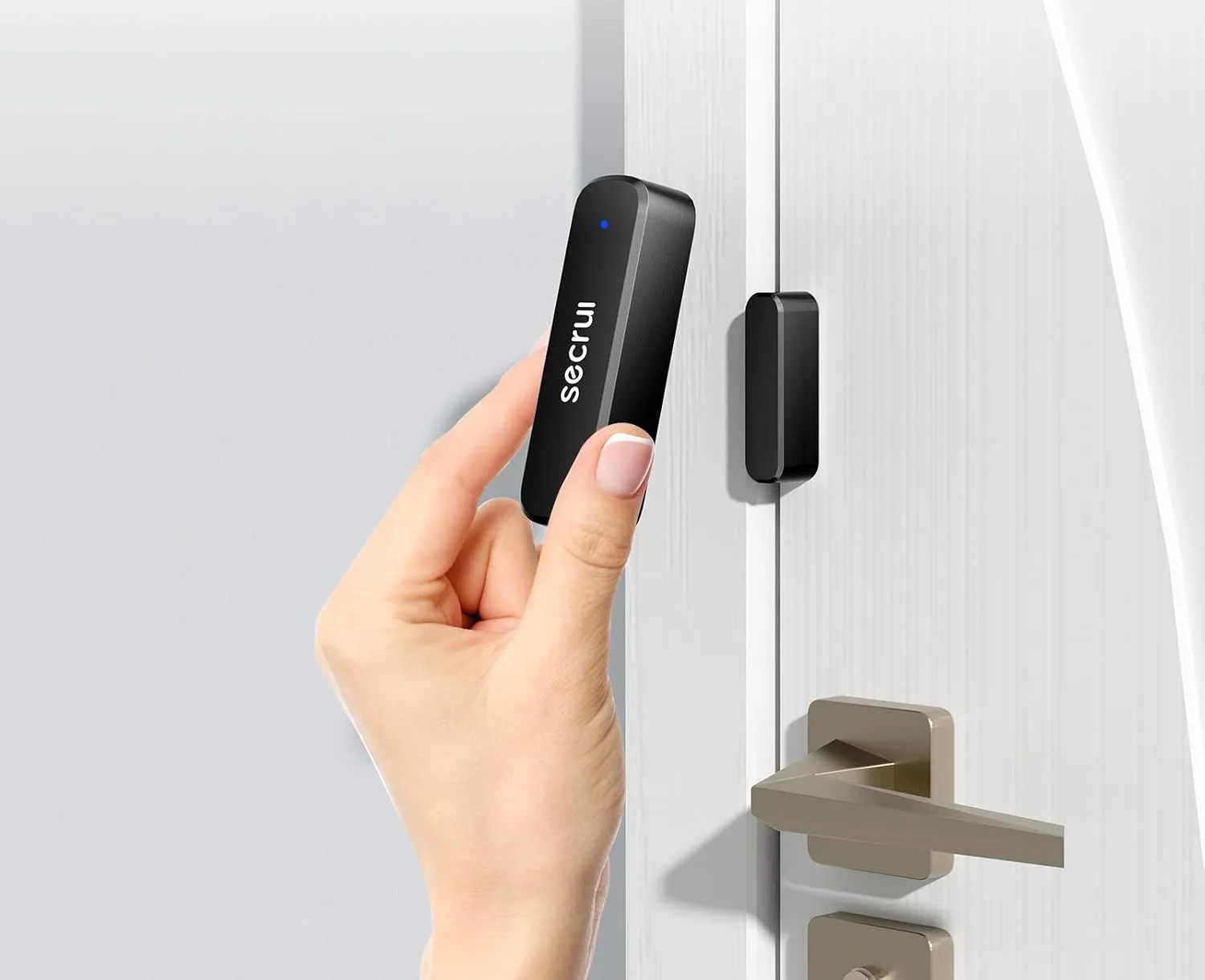
That is the job a door open chime does. A sensor on the door, a receiver where the caregiver is, and a sound the moment the two halves of the sensor part.
-
Complete kit
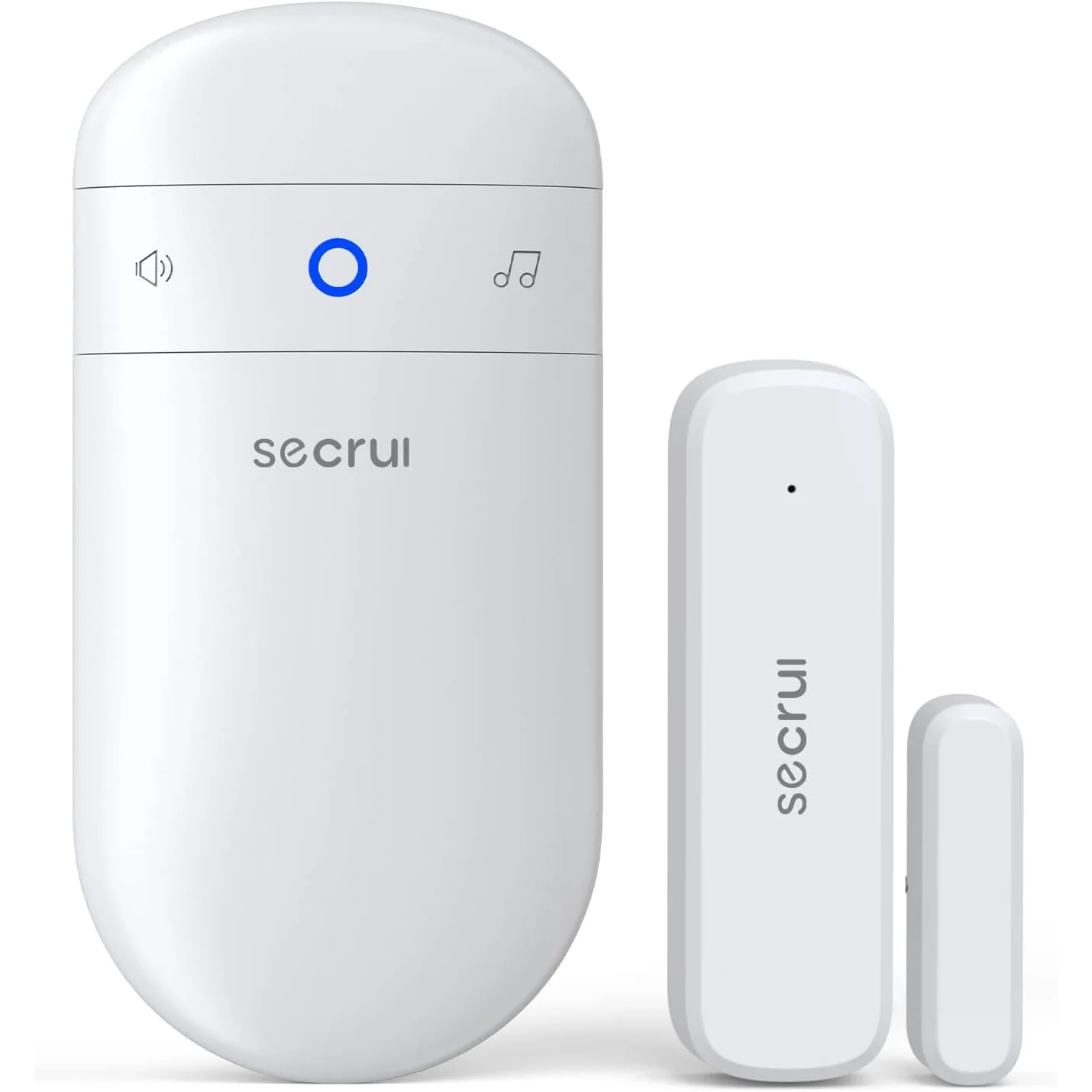
SECRUI Capsule Door Open Chime
A magnetic sensor on the door and a chime in the outlet: it rings the moment the door opens.
from $20.99
Ring It Up on Amazon -
Complete kit
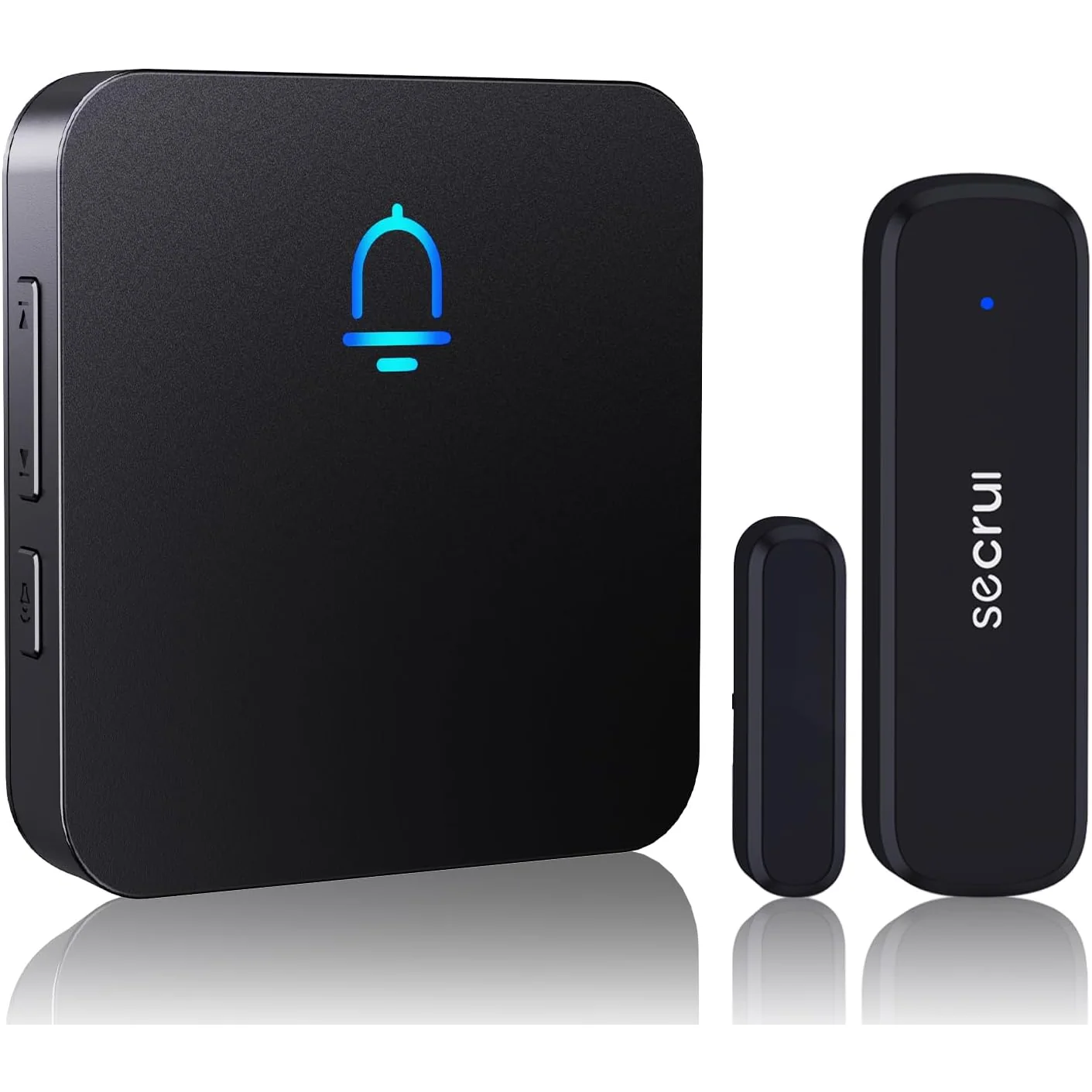
SECRUI Flat Panel Door Open Chime
The door chime with a flat black receiver that takes little room on the outlet.
from $20.99
Ring It Up on Amazon
Where does the sensor go, and where does the receiver go?
The sensor goes high on the door your relative uses, its two halves within 0.6 inch of each other, and the receiver goes where you are at the hours that worry you.
For most families that means beside the bed.
Kits with two receivers let one stay in the kitchen by day and one in the bedroom by night. The Capsule Door Open Chime reaches 500 feet in open air, which covers an ordinary house from end to end.
| Kit | Colour | Price |
|---|---|---|
| 1 sensor + 1 receiver | White | $20.99 |
| 1 sensor + 1 receiver | Black | $22.99 |
| 2 sensors + 1 receiver | White | $27.99 |
| 2 sensors + 1 receiver | Black | $28.99 |
| 3 sensors + 1 receiver | White | $37.99 |
| 3 sensors + 1 receiver | Black | $37.99 |
| 3 sensors + 2 receivers | White | $43.99 |
| 3 sensors + 2 receivers | Black | $45.99 |
What can a chime not do?
A Capsule Door Open Chime cannot stop a door, lock it or call anyone, and it will not reach you when you are out of the house.
It does not track where a person goes after they leave. It also rings for everyone, so a busy door means many false alarms by day.
Treat it as one layer among several: locks placed out of the usual line of sight, a neighbour who knows, an ID bracelet, and a plan agreed with the person's doctor. The Alzheimer's Association page covers those in detail.
Sources
- Alzheimer's Association, Wandering, read 2 October 2026